2016 — 2026
Ten Years
Ten years of revolutionary love for Black queer men. Four shapes, one commitment, and a great deal of joy taken seriously.
Brunches, dancefloors, a prize named for Berto Pasuka, a flag at Croydon Pride. Research, reports and a co-op too. This is the whole of it — including the year and a half when there was no organisation, only a conversation.
2016 — 2019
The table
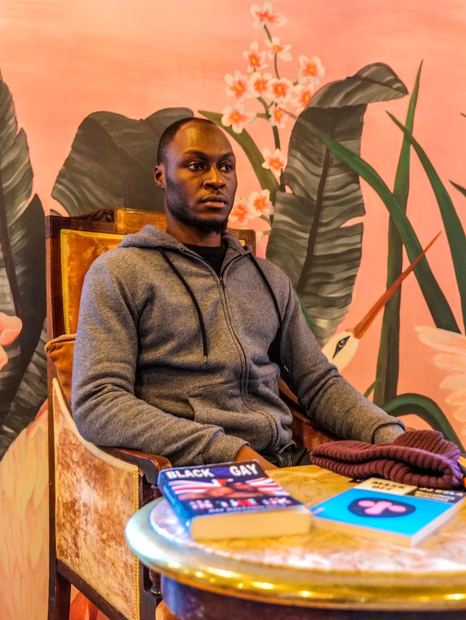
In the summer of 2016, Rob Berkeley approached Marc Thompson and Antoine Rogers with thoughts about disruption, decentralised accountable organisations and new communications technology — but first and foremost a shared commitment to revolutionary love for Black queer men. The first public event was held on 7 February 2016. It was imagined as a five-year project.
It looked like a table. People around it, eating, arguing, laughing. That has never stopped being the shape of the thing.
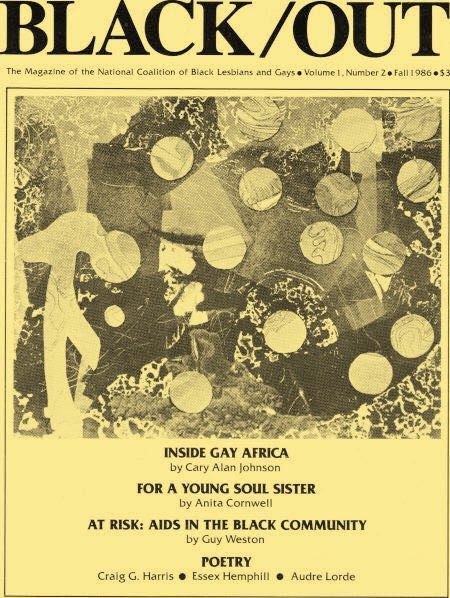
It began as a literary and cultural hub, incubated by Evidence To Exist, in a lineage that runs through Barbara Smith’s Kitchen Table: Women of Color Press and BLACK/OUT magazine — where Joseph Beam, Essex Hemphill and Audre Lorde were already doing the work of putting Black queer life into print, which is the work of making it survivable.
We also set out to prove what we already knew. In The Picture was peer-led research, with support from the Mayor of London, built to close the evidence gap about Black bi, gay and trans men in London. Policy only ever glimpsed us through sexual health, youth homelessness and asylum — education, work, play, love, growing older, happiness, death all went unrecorded. Into that vacuum rushes the tyrannical single story, and denial, and sensationalism, and well-meaning pity. They obscure the truths of our lives from policymakers. Far more importantly, they hide us from each other. We built the brunches and the dancefloors against that sentence. The survey opened that September and the work ran through the winter. The last piece before the world changed went up on 6 March 2020, a fortnight before the first lockdown. The report landed that October. The months in between did not go missing — they went to lockdown programming and the summer of Black Lives Matter.
A literary hub had become a community organisation, because that first sentence is a job description.
The single story, denial, sensationalism, well-meaning pity — together they obscure the truths of our lives from policymakers. Far more importantly, they hide us from each other.
2020 — 2024
The company
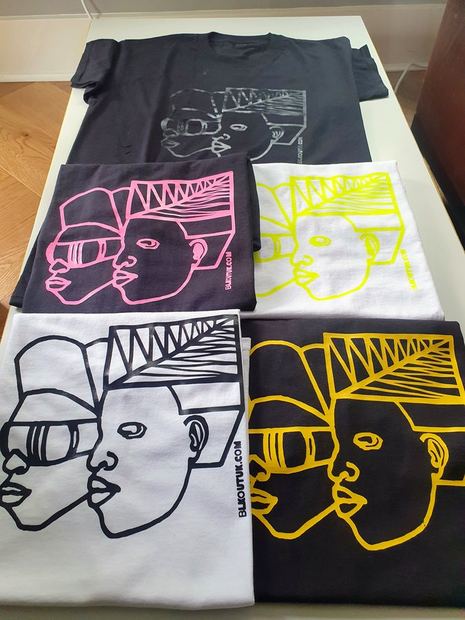
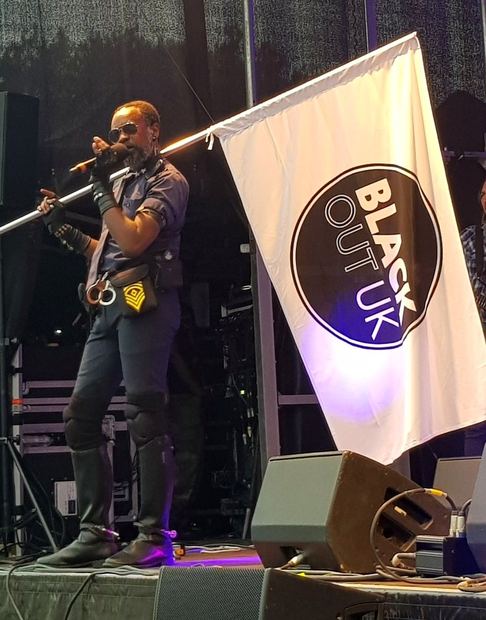

In 2020 we constituted independently, as a not-for-profit company limited by guarantee. These were the delivery years, and they were funded ones.
Diasporan Dialogues on Black gay men’s health with ViiV Healthcare. Citizen-led participatory research with the GLA. Social Movement for Health. City for LGBT+ through The Funding Network. We_ARE_BLKOUT with giffgaff. A COVID-19 community response through the London Community Response Fund. Local Connections with The National Lottery Community Fund.
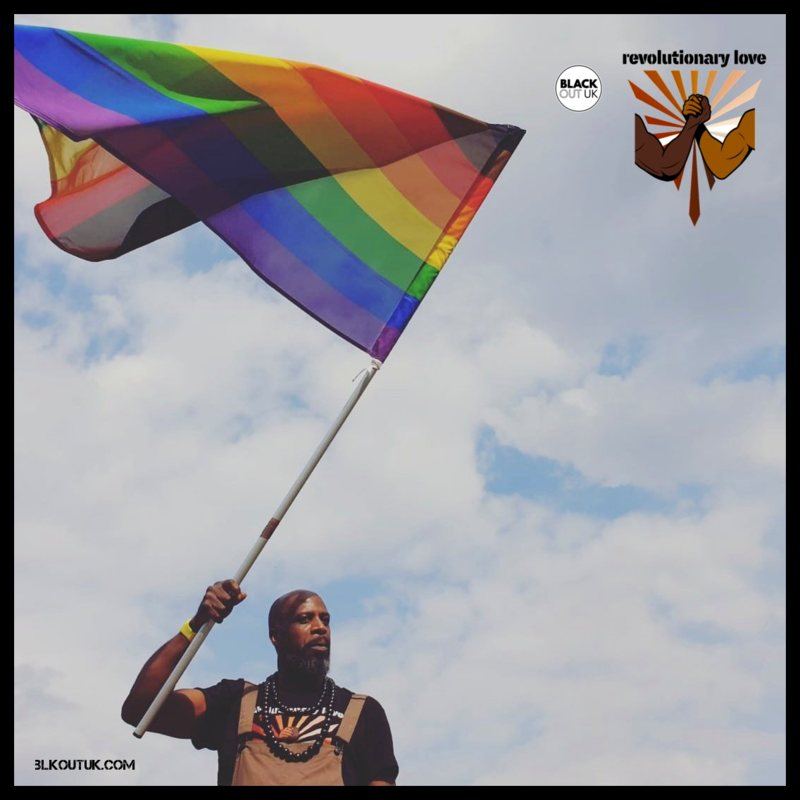
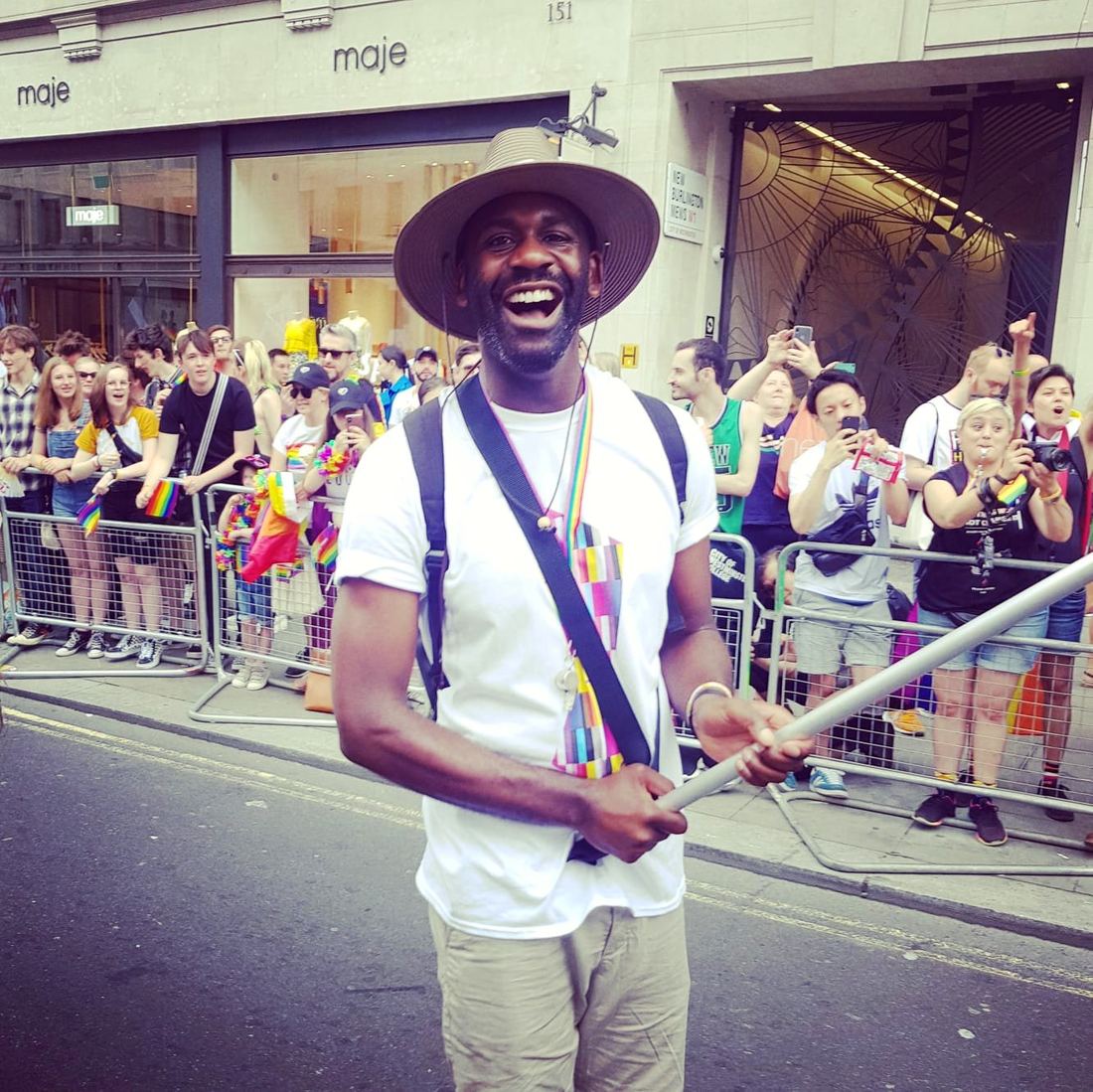
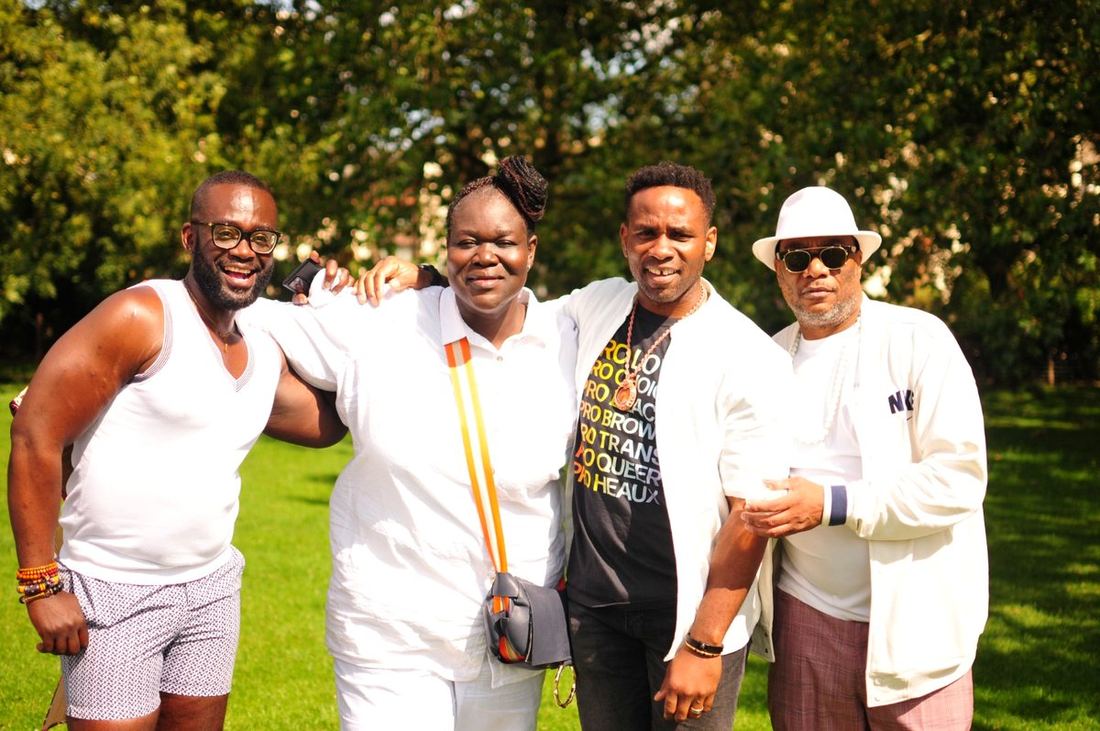
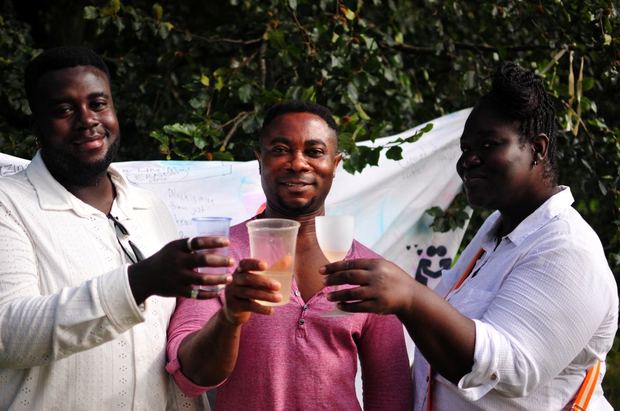
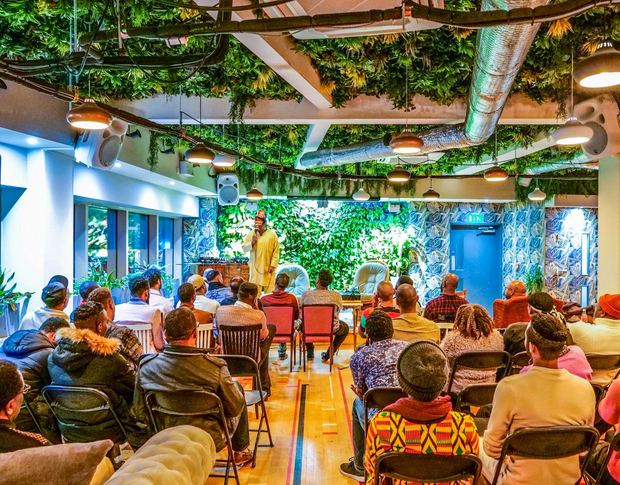
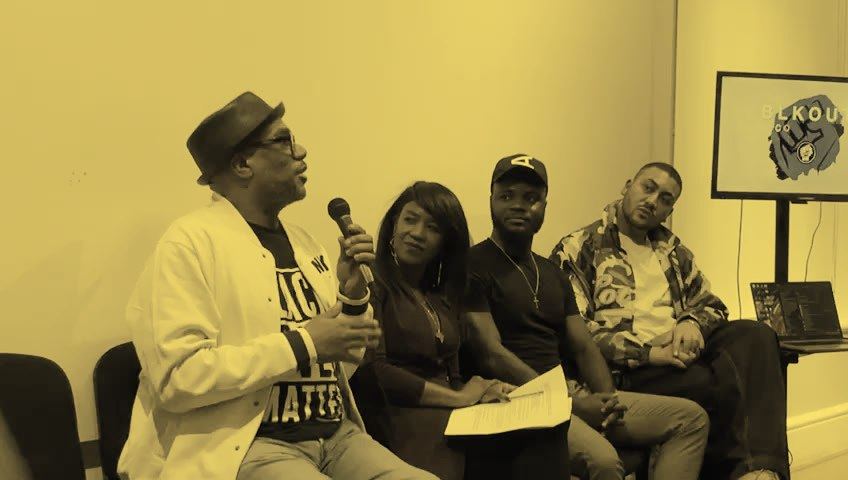
And it was not all reports. Black Men Who Brunch. David McAlmont singing under our flag at Croydon Pride. The Berto Pasuka Prize, named for the Jamaican dancer who founded Les Ballets Nègres in London in 1946. A Progress Pride flag flown over Croydon captioned revolutionary love. In January 2023, A Place For Us at Queer Britain — four short films and a panel chaired by the Deputy Mayor of London.
In July 2024, that company was wound up.
July 2024 — November 2025
The listening
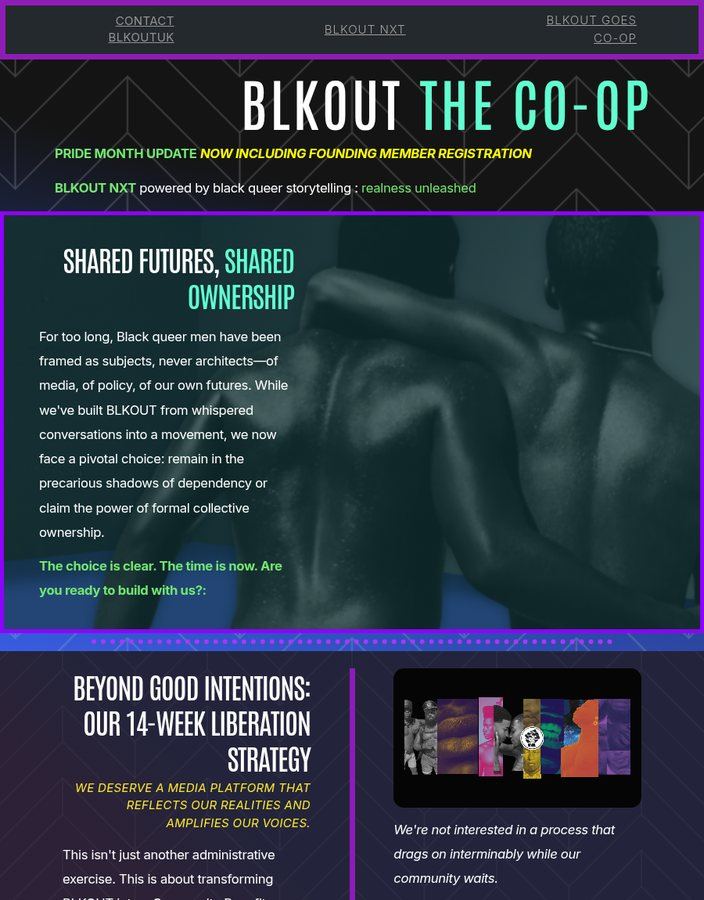
The company was wound up in July 2024. The asking was not.
In April 2025 we launched BLKOUT NXT — shaping our future together. Not a survey to file and forget. We put four propositions to the community and asked people to design, test and deliver them with us, registering as one of four: a Black queer man, an accomplice or ally, a QTIPOC organiser, or a partner organisation.
Each came with a question rather than a promise. Cooperative community ownership — how does media transform when the community owns it? A StoryLab and newsroom on our own terms, no filter and no apology — what happens when we release media from elite control and set our own agenda? Channel BLKOUT, to preserve and amplify UK Black queer media — where else will you discover those hidden gems made for the culture? And IVOR, the Informed Voice Of Resources — how might our ancestors guide us through today’s challenges?
The co-op proposition came with a plan and a clock: fourteen weeks, with support from Co-operatives UK already secured. Assembling our architects — a working group of five to seven community members, their time paid for, not volunteered. Designing our house — drafting rules with legal teeth and community heart, and governance that distributes power rather than concentrates it. Then claiming our power: registration, and a call for founding members — the people who could say “I built this.”
We could not have done that and kept delivering. We did not have the resources for both, and doing both badly would have been worse than doing one well. So we stopped delivering, and we asked instead.
Then we built all four.
For too long, Black queer men have been framed as subjects, never architects — of media, of policy, of our own futures.
November 2025 — now
The society
On 24 November 2025 we registered as BLKOUT Creative Ltd, a Community Benefit Society, FCA registered society no. 9639, with an asset lock. The first proposition, answered — and answered by the people who turned up to draft it. The rules were written by a community working group, not handed down.
Twelve founding members started it — twelve people who put their name to a society while there was still nothing to join.
It means what it says. Members, not shareholders. What we build is held for the community and cannot be sold out from under it — not by a future board, not by us.
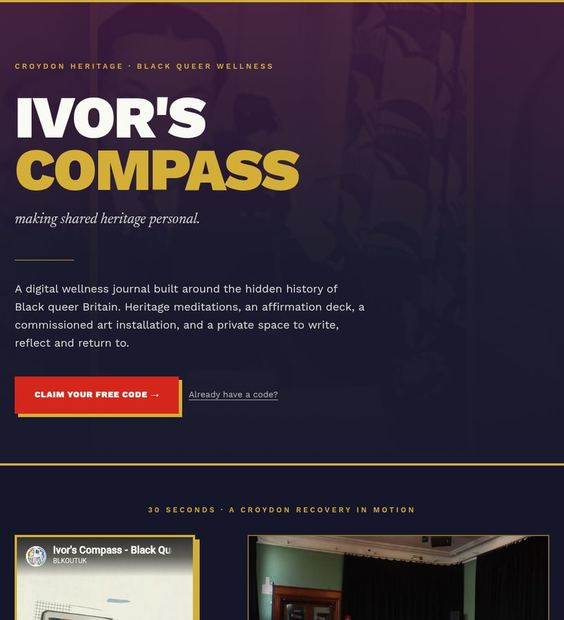
The others answered too. IVOR is live. The newsroom publishes. BLKOUTHUB is six years old and the calendar keeps running. Ivor’s Compass was delivered and evaluated in 2026. Seen is next.
Ten years, four shapes, one commitment. We are not in a hurry. We mean to be here a long time.
In his own words · 31 December 2021
“The best laid plans were scuppered by our existential need to survive the COVID-19 pandemic. Rather than 2020 spent raising funds on the back of the research as planned, the pandemic encouraged us to do what we could with our limited staff resource in support of Black queer men. Given what we now knew from the research about the experiences of loneliness and isolation likely to be experienced by Black queer men, it felt like the only justifiable decision. Foolhardy? Perhaps.”
Rob Berkeley, A Dream No Longer On Mute, 31 December 2021